
Roman Blinds: A Buyer's Guide
Roman blinds add warmth and texture to any room. Here is what to look for when choosing fabric, lining, and fitting style.
Roman blinds are one of the most versatile and elegant window treatments available. Unlike roller blinds, which roll up into a cylinder, roman blinds fold into neat horizontal pleats when raised — giving a softer, more tailored look. Here's what to consider when choosing yours.
Fabric Choice
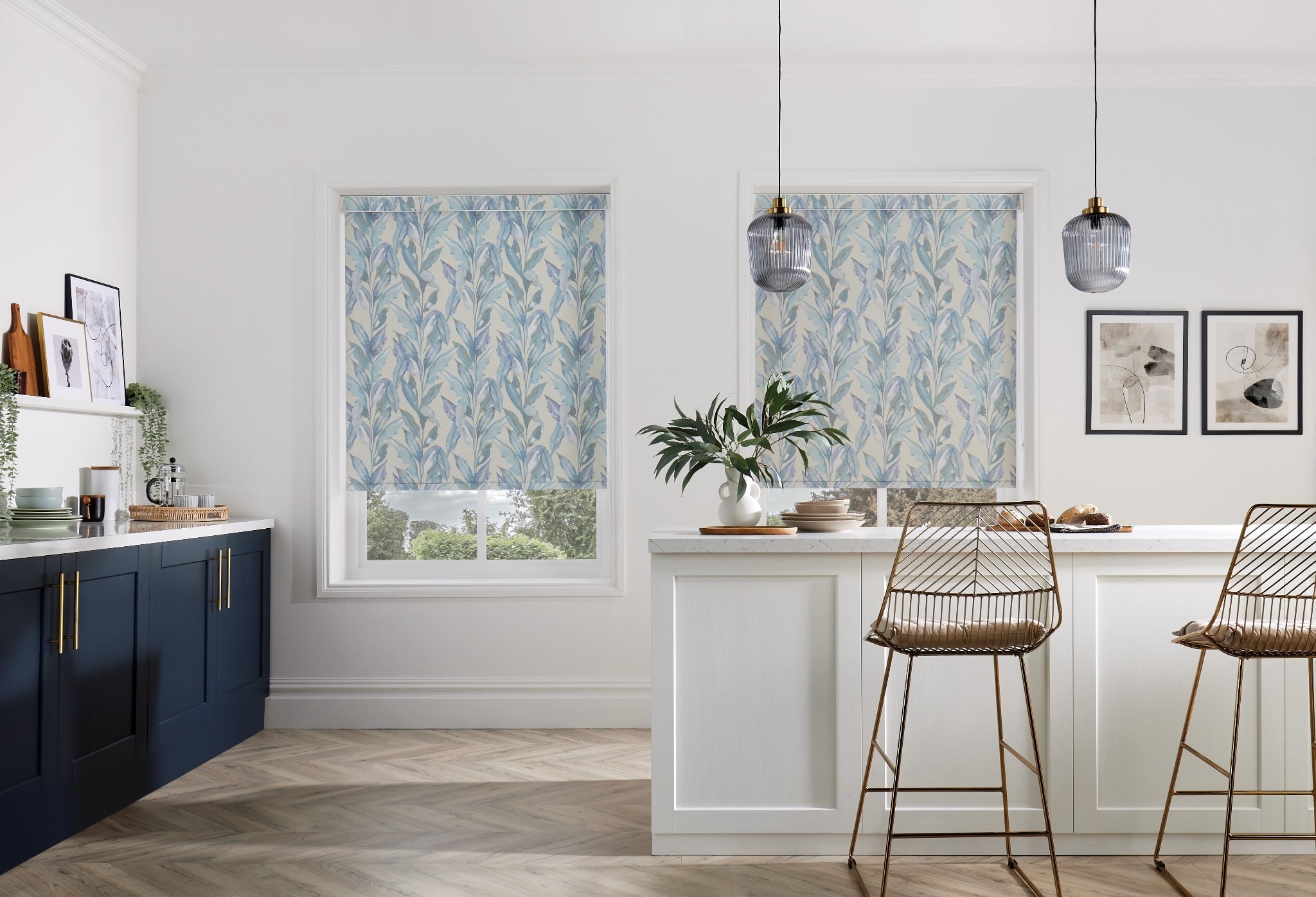
The fabric is everything with roman blinds. A heavier linen or cotton gives a structured, architectural look. Lighter fabrics — voile, sheer linen — create a softer, more relaxed feel. Patterned fabrics work beautifully in roman blinds because the flat face shows off the design clearly. We always recommend bringing fabric samples home to see how they look in your own light before committing.
Lining Options
Lining makes a significant difference to how a roman blind looks and performs. An unlined blind is the most affordable option but offers limited light control. A standard lining improves insulation and gives the blind a neater appearance from outside. A blackout lining is ideal for bedrooms. An interlining (a layer of wadding between the fabric and lining) gives the blind a luxurious, padded look and excellent thermal performance.
Fitting: Inside or Outside the Recess?
Roman blinds can be fitted inside the window recess (a clean, minimal look that shows off the window frame) or outside the recess (which makes the window appear larger and is useful if the recess is shallow). We'll advise on the best option during your home consultation.
Care and Cleaning
Most roman blind fabrics can be spot-cleaned with a damp cloth. For a deeper clean, many can be dry-cleaned — check the fabric care label. Avoid machine washing unless the fabric is specifically rated for it, as this can cause shrinkage and distort the pleats.
Ready to transform your windows?
Book a free home consultation and our team will bring samples, measure up, and give you honest advice — no pressure, no obligation.
Book a Free Consultation